
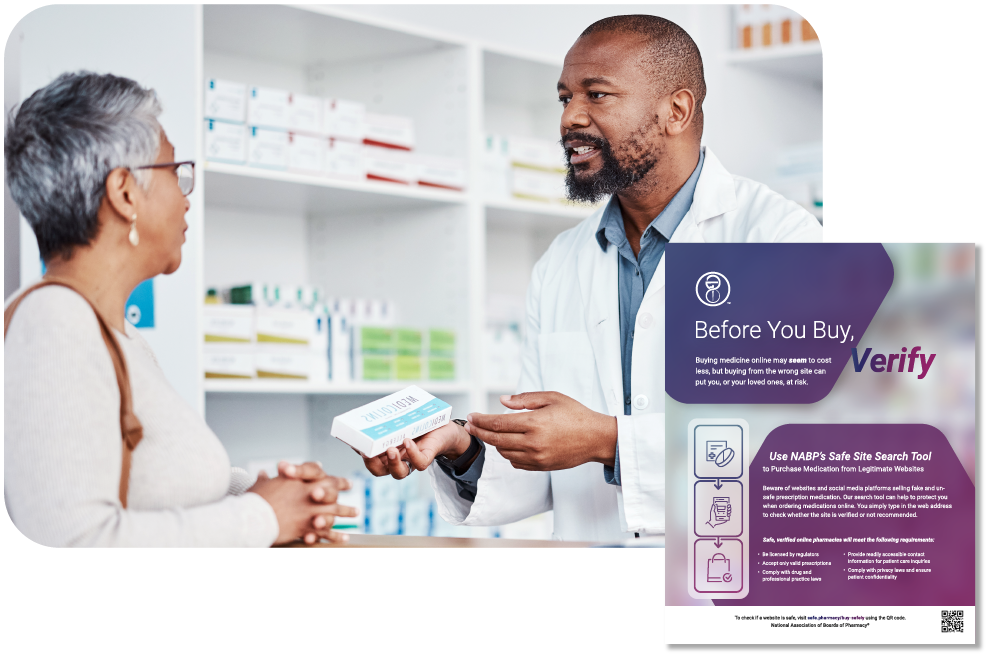
Check the pharmacy’s license and registration details. Verify this information with your state’s board of pharmacy or a comparable regulatory body. Look for a physical address and contact information; avoid pharmacies with only PO boxes or vague locations.
Scrutinize the website for secure payment gateways (HTTPS). Secure sites protect your financial data. Also, inspect the website’s design and content quality. Professional, well-maintained sites usually suggest a greater level of reliability.
Read online reviews and testimonials from other customers. Pay attention to both positive and negative feedback to get a balanced perspective. Check multiple review platforms to avoid biased opinions.
Contact the pharmacy directly. Test their responsiveness and professionalism by asking questions about their policies, shipping methods, or medication availability. A lack of responsiveness should raise concerns.
Confirm that the pharmacy only dispenses medications with valid prescriptions. Reputable pharmacies never sell drugs without a prescription from a licensed doctor. Be wary of offers that sound too good to be true.
Look for accreditation seals from organizations like the Verified Internet Pharmacy Practice Sites (VIPPS) program. These certifications indicate that the pharmacy adheres to high standards.
Use caution. If something seems amiss, avoid the pharmacy. Your health and safety are paramount.

