
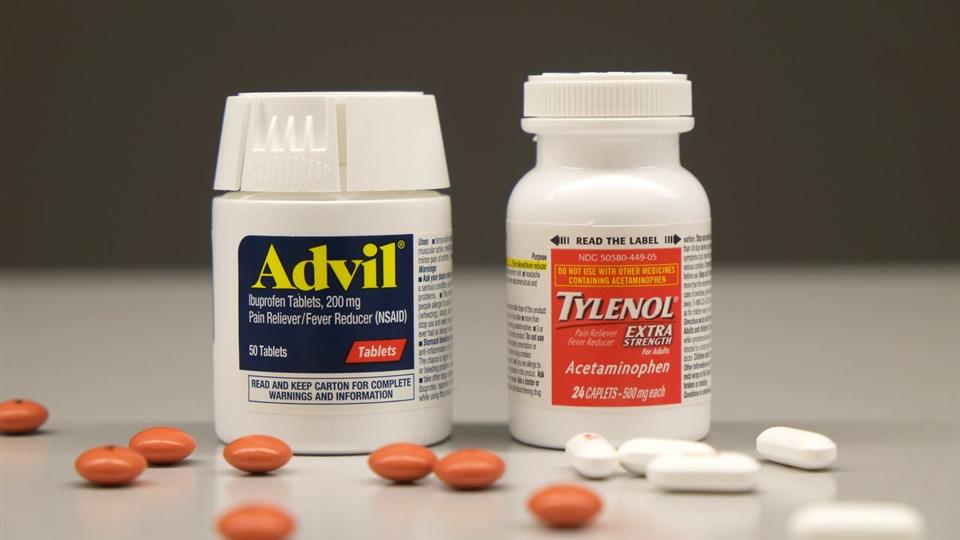
Try over-the-counter pain relievers like ibuprofen or acetaminophen. Ibuprofen reduces inflammation and pain, while acetaminophen primarily reduces fever and pain. Follow package instructions carefully.
Consider topical pain relievers. Creams or gels containing menthol or capsaicin can provide localized relief for muscle aches and joint pain. Capsaicin works by depleting substance P, a neurotransmitter involved in pain signaling.
Apply heat or cold. Heat therapy can relax tense muscles, while cold therapy can numb pain and reduce inflammation. Experiment to find what works best for your specific pain.
Get regular exercise. Gentle movement helps improve circulation, strengthen muscles, and ease joint stiffness. Aim for at least 30 minutes of moderate-intensity exercise most days of the week. Consult your doctor before starting a new exercise program.
Improve your sleep. Lack of sleep can worsen pain. Aim for 7-9 hours of quality sleep nightly. Prioritize a relaxing bedtime routine and a comfortable sleep environment.
Explore alternative therapies. Acupuncture, massage, and yoga may offer additional pain relief. Research practitioners carefully and discuss these options with your doctor.
Important Note: If your pain is severe, persistent, or accompanied by other symptoms, consult a doctor immediately. Self-treating can be risky; professional medical advice is always best.
Disclaimer: This information is for general knowledge and does not constitute medical advice. Always consult a healthcare professional for diagnosis and treatment of any medical condition.

