Need a reliable solution for erectile dysfunction? Levitra 60mg offers potent and effective relief. This higher dosage provides a strong, longer-lasting effect for many men.
Feel the difference. Regain your sexual vitality and enjoy intimacy with increased confidence. Levitra 60mg works by improving blood flow to the penis, resulting in firmer, more sustained erections.
Consult your doctor to discuss if Levitra 60mg is the right choice for you. They can assess your individual needs and help you make an informed decision. Remember, safe and responsible use is key.
- Levitra 60mg Information
- Understanding Levitra 60mg
- Dosage and Administration
- Interactions and Precautions
- Storage
- Understanding Levitra 60mg Dosage and When to Use It
- Taking Levitra 60mg
- When to Use Levitra 60mg
- Important Considerations
- Seeking Medical Advice
- Potential Side Effects and Precautions with Levitra 60mg
- Common Side Effects
- Less Common but Serious Side Effects
- Precautions
- Dosage Instructions
- Further Information
- How to Discuss Levitra 60mg with Your Doctor
- Preparing for Your Appointment
Levitra 60mg Information
Consider consulting your doctor before using Levitra 60mg. They can assess your health and determine the appropriate dosage.
Understanding Levitra 60mg
Levitra 60mg contains vardenafil, a medication used to treat erectile dysfunction. It works by increasing blood flow to the penis, facilitating an erection. Always follow your doctor’s instructions for use.
Dosage and Administration
Take Levitra 60mg as directed by your physician. Typical dosages vary, and exceeding the recommended dose can increase the risk of side effects. Do not crush, chew, or divide the tablets.
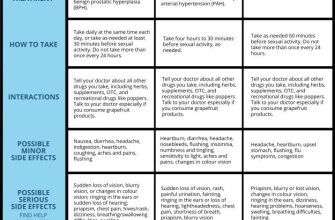
Side effects: Common side effects include headache, flushing, nasal congestion, and indigestion. Severe side effects are rare but require immediate medical attention. Seek medical help if you experience vision changes or prolonged erection.
Interactions and Precautions
Important: Inform your doctor about all medications you’re taking, including over-the-counter drugs and supplements. Some medications can interact with Levitra 60mg. Avoid grapefruit juice, as it can affect the drug’s metabolism.
Storage
Store Levitra 60mg in a cool, dry place, away from direct sunlight and moisture. Keep it out of reach of children.
Understanding Levitra 60mg Dosage and When to Use It
Levitra 60mg is a higher dose, typically prescribed only if lower doses (like 10mg or 20mg) haven’t provided satisfactory results. Always follow your doctor’s instructions.
Taking Levitra 60mg
Take Levitra 60mg approximately 60 minutes before anticipated sexual activity. It may work faster or slower depending on individual factors. Avoid consuming fatty meals before taking it, as this can delay absorption.
When to Use Levitra 60mg
This higher dose is usually considered when erectile dysfunction persists despite treatment with lower dosages. Your physician will assess your specific needs and determine if 60mg is appropriate for you. It’s not a “one-size-fits-all” solution.
Important Considerations
Maximum Daily Dose: Do not exceed one 60mg tablet in a 24-hour period. Overdosing can lead to side effects. Discuss any potential drug interactions with your doctor before starting Levitra, especially if you are taking nitrates or other medications. Side effects such as headache, flushing, and nasal congestion are possible.
Seeking Medical Advice
Levitra 60mg is a prescription medication. Consult your doctor before using it to ensure its suitability and discuss potential risks. They can help determine the best dosage and treatment plan for your individual circumstances.
Potential Side Effects and Precautions with Levitra 60mg
Consult your doctor before using Levitra 60mg, especially if you have heart problems, low blood pressure, or a history of stroke.
Common Side Effects
- Headache
- Facial flushing
- Nasal congestion
- Indigestion
- Muscle aches
These effects are usually mild and temporary. If they persist or worsen, seek medical attention.
Less Common but Serious Side Effects
While rare, Levitra can cause more serious side effects. Stop taking Levitra and seek immediate medical help if you experience:
- Sudden vision loss
- Hearing loss
- Prolonged erection (priapism)
- Chest pain
- Irregular heartbeat
Precautions
- Do not take Levitra with nitrates (used to treat chest pain) or other medications for erectile dysfunction.
- Avoid grapefruit juice, as it can increase Levitra’s levels in your blood.
- Levitra may affect your blood pressure. Inform your doctor about all medications you are taking.
- Alcohol can increase the risk of side effects. Limit your alcohol intake when using Levitra.
- This medication is for men only. Women should not use Levitra.
Dosage Instructions
Follow your doctor’s instructions carefully regarding dosage. Never exceed the recommended dose.
Further Information
This information is not exhaustive. Always consult your physician or pharmacist for complete instructions and to address any concerns.
How to Discuss Levitra 60mg with Your Doctor
Begin by explaining your erectile dysfunction symptoms clearly and concisely. Describe the frequency, duration, and severity of issues you experience. Provide a detailed history of any previous treatments you’ve tried, including dosages and results. This helps your doctor understand your specific needs.
Preparing for Your Appointment
Create a list of questions beforehand. Ask about potential side effects specific to the 60mg dosage, drug interactions with other medications you take, and potential long-term effects. Inquire about alternative treatments if Levitra 60mg proves unsuitable. Don’t hesitate to discuss your concerns regarding cost and insurance coverage.
Bring a list of all your current medications, including supplements and over-the-counter drugs. This allows your doctor to assess potential interactions and tailor the treatment appropriately. Be open and honest about your lifestyle choices, including diet, exercise, and alcohol consumption, as these factors can influence treatment effectiveness.
After your consultation, clarify any uncertainties about the dosage, administration, and expected outcomes. Note down any instructions or advice provided and schedule a follow-up appointment to discuss progress and any adjustments needed.